01The areca palm
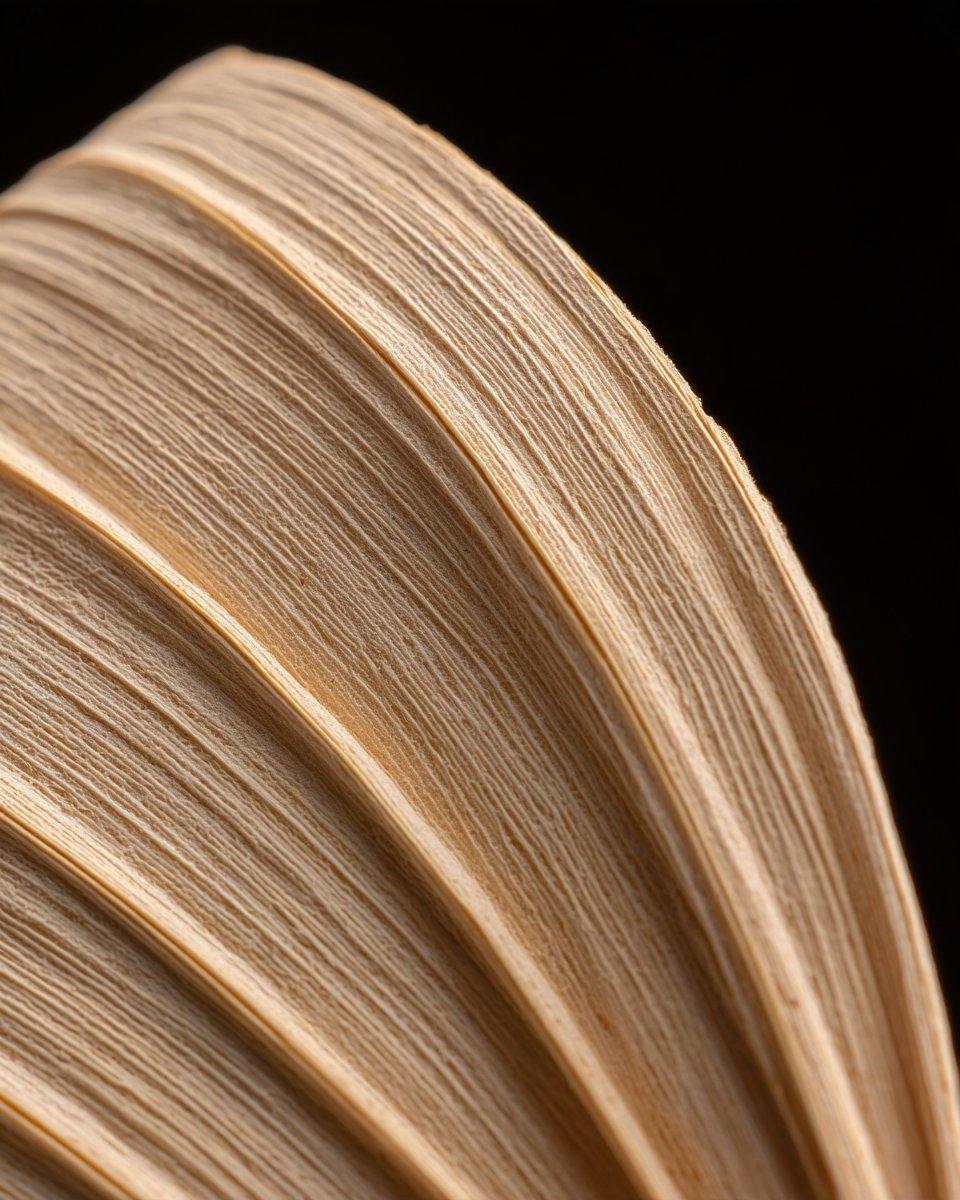
The areca palm (Areca catechu) is widely grown in South and Southeast Asia. As it grows, each leaf is attached to the trunk by a broad sheath. When the leaf is spent, the sheath falls to the ground. These fallen sheaths are the raw material for areca palm leaf plates.
02From sheath to plate
Collected sheaths are cleaned and softened, then pressed between heated moulds that give them their final shape. The press sets the form and flattens the surface; trimming finishes the rim. The result keeps the leaf's natural grain. For the ASH version, see how it's made.
- Collect fallen sheaths
- Clean and soften
- Press in heated moulds
- Trim, inspect, stack
03What makes a good areca plate
Consistency of thickness, a clean trim and a flat base. Thin or uneven sheaths make plates that flex; well-selected sheaths make plates that feel solid. The best pieces have an even tone with visible grain rather than dark blotches.
ASH sizes: a 10" dinner plate, an 8" side plate, a deep bowl and a complete place setting. Diameters are published as target specs until supplier documentation confirms them.
04After dinner
Dispose of in food-waste or compost collection where accepted locally.
05Caring for areca plates before use
Store packs flat in a dry place, away from damp. Like any natural material, palm leaf responds to humidity; a dry cupboard keeps plates flat and ready. Unpack only what you need for a meal and keep the rest in the box.
Colour and grain will vary from plate to plate and from pack to pack. That variation is expected with areca and is part of why these plates look good on a table.
06Buying areca plates in volume
For kitchens, events and retail, areca plates are usually sold by the case. ASH offers wholesale pricing and private-label production by quote.
07Why the colour varies
Sheaths dry on the tree and on the ground for different lengths of time, and each palm grows in its own conditions. The result is a range from pale sand to deep caramel, sometimes within a single plate. Pressing evens the surface but keeps the tone, which is why a stack of areca plates looks collected rather than manufactured.
Questions
- Is anything cut from the tree to make areca plates?
- The plates are made from sheaths the areca palm sheds naturally as it grows.
- Where are ASH plates made?
- Origin is listed on each product's spec sheet once confirmed by supplier documentation.