01Where the material comes from
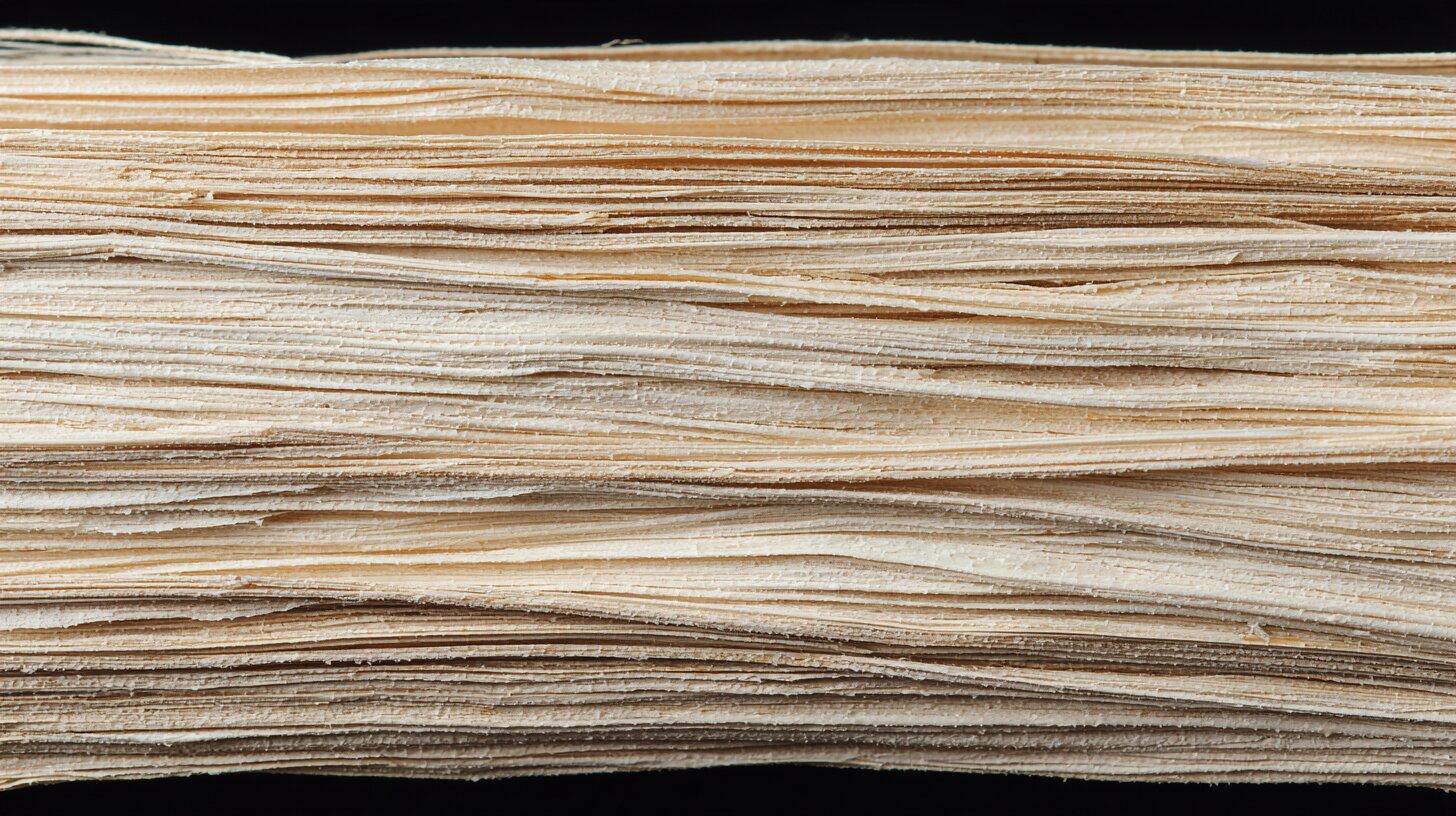
Palm leaf plates are usually made from the sheath of the areca palm — the broad, stiff base of the leaf that wraps the trunk. Areca palms shed these sheaths naturally as they grow. The fallen sheaths are collected, cleaned and pressed into shape. That's why you'll see them described as made from naturally fallen leaves: nothing is cut from the tree to make the plate.
02How they're made
The sheaths are washed, softened and then pressed in heated moulds, which set the shape — flat plate, deep bowl, square tray. The edges are trimmed and the pieces are checked and stacked. Because every sheath is different, every plate has its own grain, tone and markings. For ASH's version of the process, see how it's made.
03How they look and feel
Expect a matte, natural surface with visible grain, a stiff body and a light weight. Colours range from pale sand to warm caramel within the same pack — that variation is the material, not a defect. On a dark table, the effect is closer to handmade ceramic than to paper.
- Matte, textured surface
- Tone varies piece to piece
- Rigid when dry
- Common sizes: 10" dinner, 8" side, bowls, trays
04Using them well
Use palm leaf plates like any dinner plate: plate the food, eat, clear. Specific heat and food-contact limits depend on the supplier and product, so we list them on each ASH product page only when documented — otherwise the spec shows "Awaiting supplier documentation".
After the meal: Dispose of in food-waste or compost collection where accepted locally.
05Palm leaf vs. paper, bagasse and bamboo
Paper plates are cheap and flexible but often need a coating to resist sauce. Bagasse (sugarcane fibre) plates are moulded from pulp and have a uniform, paper-like look. Bamboo plates can be pressed fibre or veneer. Palm leaf plates are different because the plate is the leaf itself — pressed, not pulped — which is where the grain and stiffness come from.
Each material has its place. For dinner at home or plated service, we chose palm leaf for how it looks on the table.
Questions
- What are palm leaf plates made of?
- Most are made from the sheath of the areca palm leaf, which the tree sheds naturally, pressed into shape with heat.
- Why does each plate look different?
- Each sheath has its own grain and tone, so every plate is slightly different in colour and texture.